
Hope Episcopal Church in Manheim has earned national recognition for its growing commitment to caring for God’s creation. The Episcopal Church Foundation’s Vital Practices program recently highlighted the congregation’s work as a model of how faith communities large and small can embrace environmental stewardship as an expression of Christian discipleship.
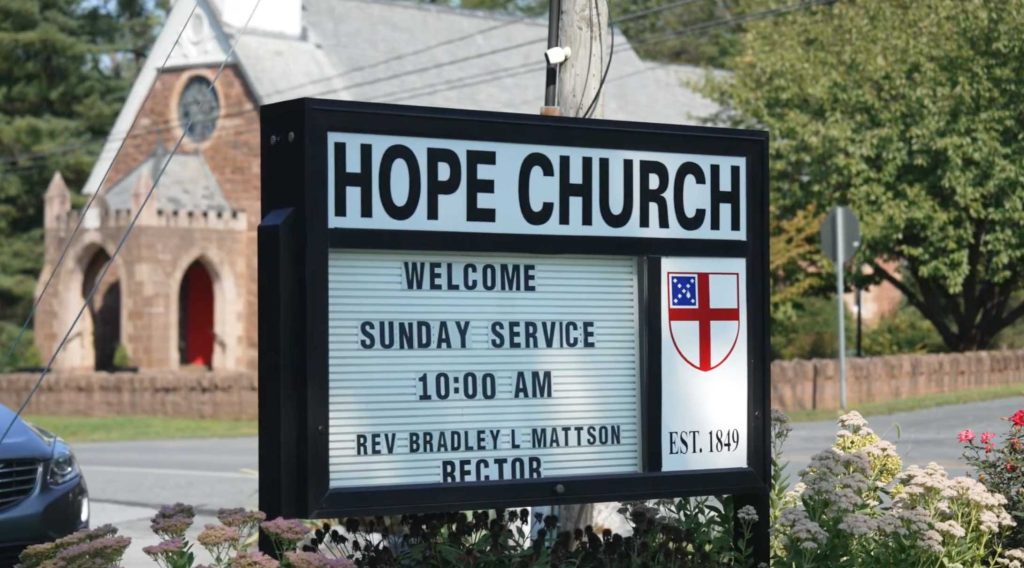
Hope was featured alongside peer congregations from Maryland, Alabama, California, and Connecticut, affirming that its efforts are part of a much larger movement across the Episcopal Church. “This recognition affirms the journey we’ve begun and reminds us that we are part of something bigger,” says The Rev. Bradley Mattson, Hope’s rector. “We are part of a movement across the Episcopal Church to care for God’s creation with courage, imagination, and hope.”
The Episcopal Church Foundation’s Vital Practices initiative shares case studies and resources that help congregations live out ministries that are spiritually deep, socially engaged, and ecologically faithful. By telling the stories of communities like Hope Church, Vital Practices equips others to launch their own sustainable practices of discipleship and stewardship.
Hope’s case study—now available on the Vital Practices website—details how a modest beginning blossomed into a thriving ministry of Creation Care.
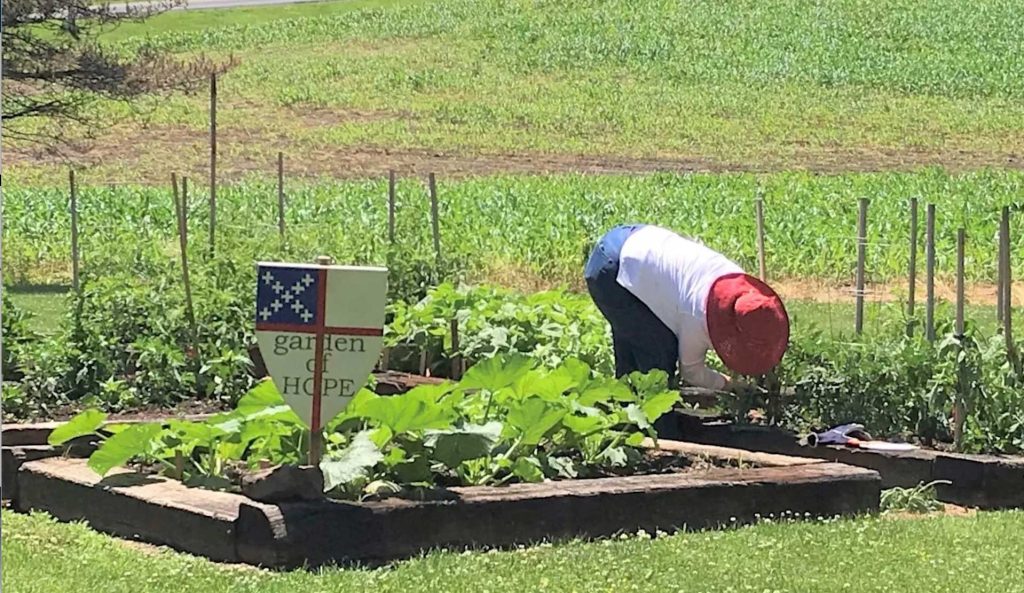
Known for its welcoming atmosphere, historic architecture, and vibrant worship, Hope, Manheim grounds its mission in the Great Commandment: to love God with heart, soul, and mind, and to love neighbors as ourselves. That mission naturally extends to the earth itself.
Several years ago, members discerned that environmental responsibility is an essential part of loving God and neighbor. They formed a Creation Care committee, started with a small budget, and introduced simple, practical steps: composting, recycling, and distributing reusable grocery bags branded with the church’s name.
Children and families joined in through a Vacation Bible School program that combined woodworking with lessons on caring for creation—turning environmental stewardship into a hands-on spiritual practice. By focusing first on formation and discipleship, Hope created opportunities for people to connect with the land and with one another. Excitement grew, and parishioners began inviting friends to participate. Without heavy theological explanations, the ministry spoke through joyful, tangible experiences of caring for the earth.
That grassroots energy soon attracted partnerships. Collaborating with Interfaith Partners for the Chesapeake, Hope took a major step forward by installing a rain garden to capture and treat stormwater runoff. This bioretention project reduces flooding, improves local water quality, and offers ecological benefits for the wider community.
The rain garden—celebrated in a 2025 video titled Rain Garden Celebration—is just one example of how Hope’s ministry now blends environmental action with faithful witness.
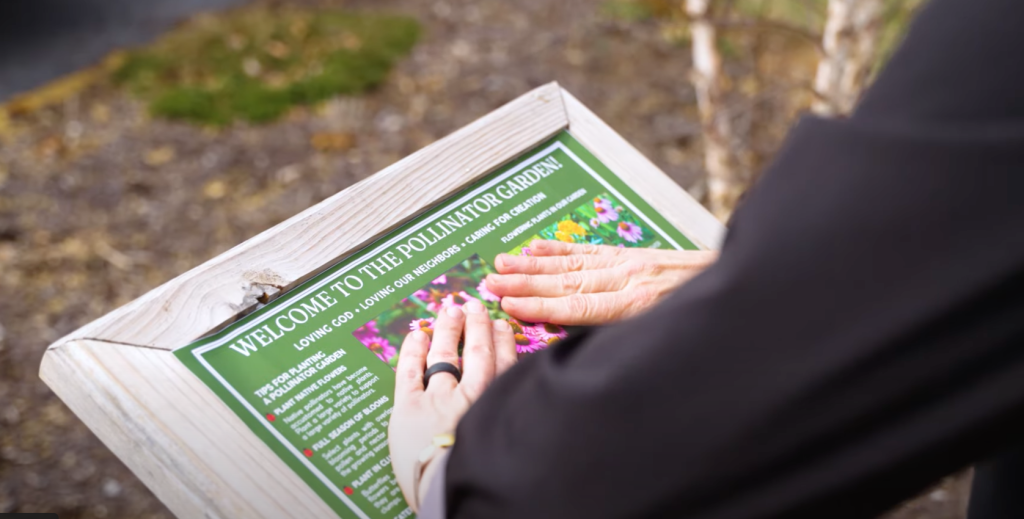
For Hope Church, the work of Creation Care is far from finished. Their next project is a Children’s Playground and Outdoor Sanctuary where children and families can commune with each other and with nature. Rev. Mattson’s aim is to inspire all of us to take part in whatever way we can.
“This is a shared calling,” he says. “Every gift—whether in gardening, building, teaching, or praying—helps us move forward. I hope and pray you draw inspiration not only from what we are doing here at Hope, but also from what our colleagues are doing across the Church.”