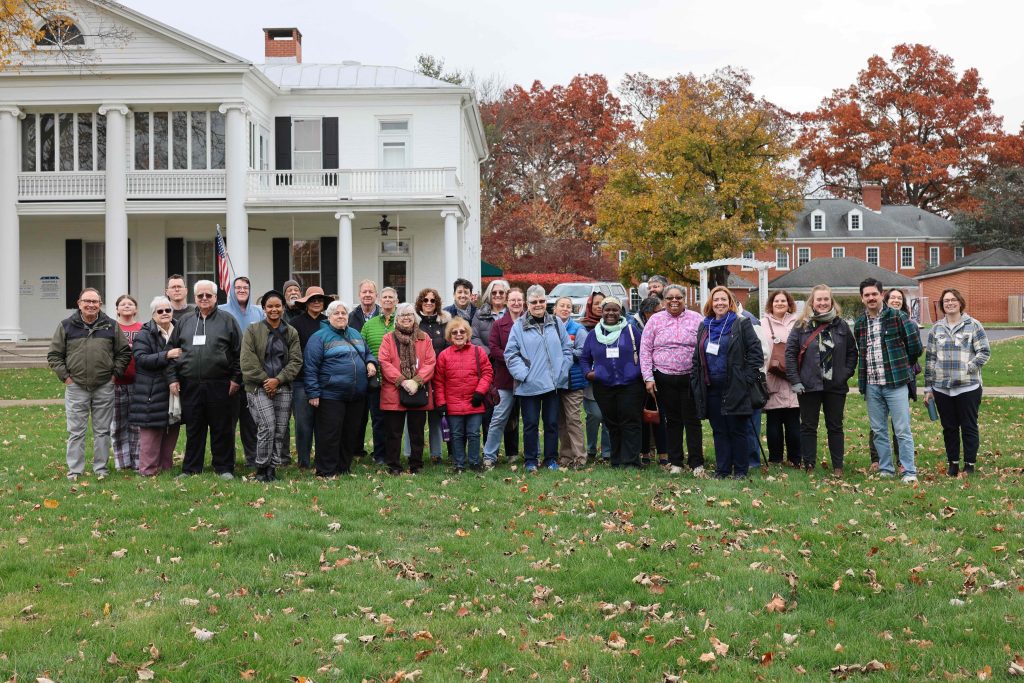
On November 14-15, 2025, individuals from the dioceses of Central Pennsylvania and Bethlehem learned, reflected, and grew together as they heard from indigenous and settler-descended leaders about the history of the Carlisle Indian Industrial School and the Episcopal Church’s participation in it.
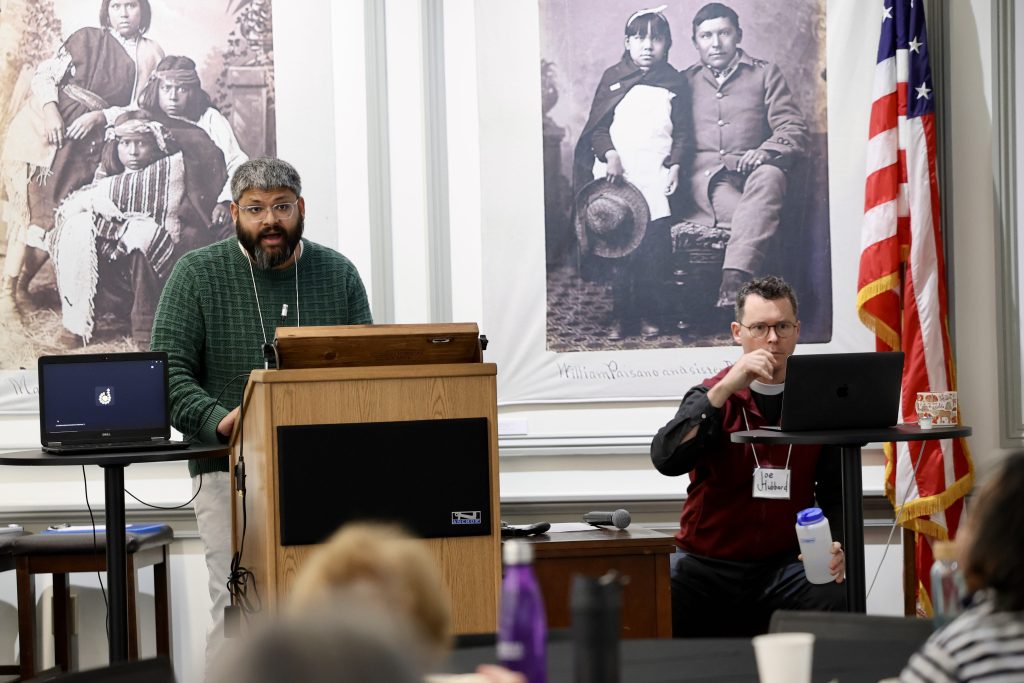
The weekend began with an orientation, workshop, and community-building circle led by Sarah Augustine, Executive Director of the Coalition to Dismantle the Doctrine of Discovery, and Joe Hubbard, Organizer for the Episcopal Indigenous Justice Roundtable. Participants learned about how the Doctrine of Discovery shaped federal and church policy for Indigenous land and child removal, and how it continues to shape the lives of Indigenous peoples and lands today. The Doctrine of Discovery is a set of laws and policies dating back to the 15th century which gives Christian governments moral and legal rights to invade and seize indigenous lands and dominate Indigenous Peoples. The Episcopal Church was active in the creation and implementation of these policies, as the sale of treaty lands funded the church’s expansion west. This continues to shape our world today, in both secular and religious life. Some Episcopal dioceses have endowments today which were funded by the sale of these lands.
The Carlisle Indian Industrial School (1879-1918) was a particular topic this weekend, as this institution resided within our diocese. This school operated with the mission to “kill the Indian” to “save the Man.” This meant the forced assimilation of indigenous children through loss of language, clothing, and cultural values. Pennsylvania Episcopalians participated during the school’s years of operation, many as homesites for “outings.” Outings were periods of time when students lived away from school in households and on farms. While school documents state the purpose to be for assimilation and learning about the way of life of white families, the experience of students was that of being laborers in fields and wealthy households, with payments far smaller than what was typical for laborers at the time.
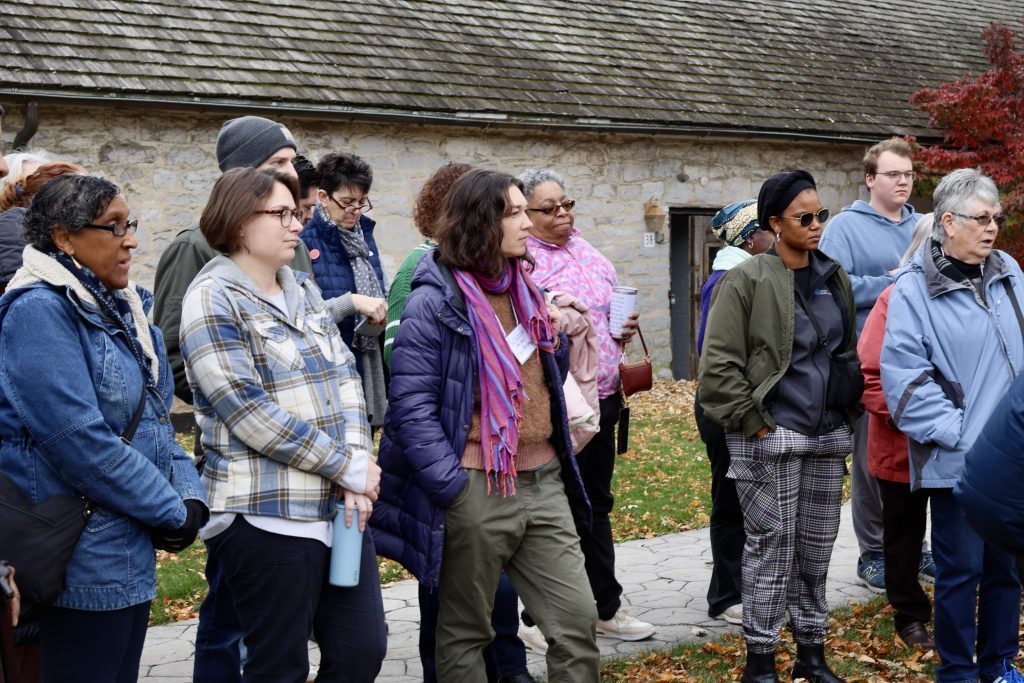
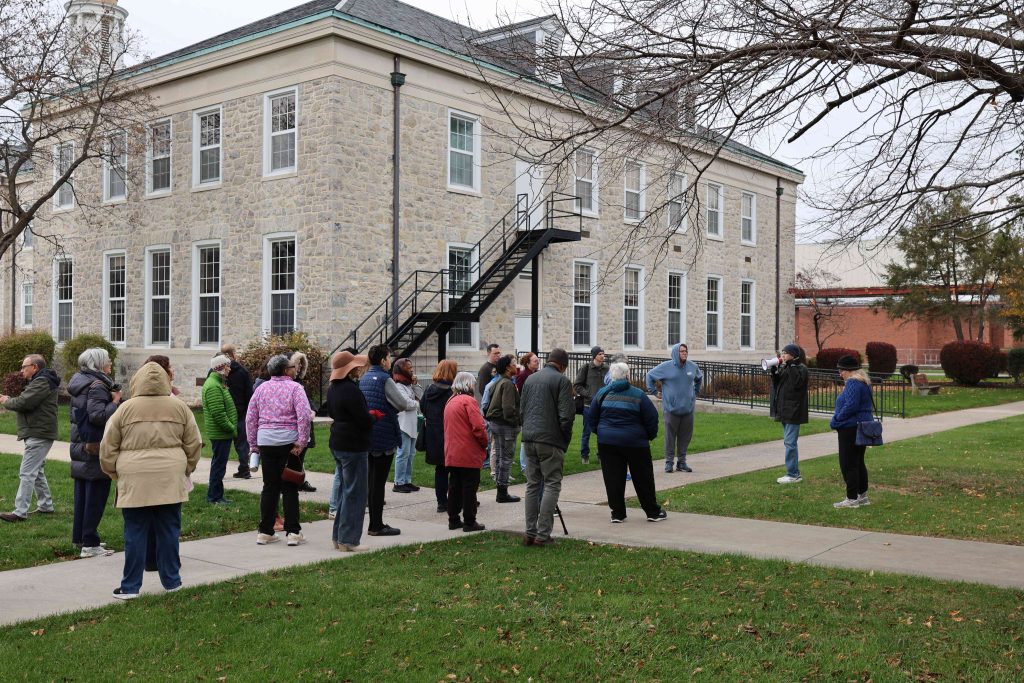
On Saturday, the group met at the site of the Carlisle Indian Industrial School to tour the campus and walk where the indigenous children walked. The day ended with ceremony at the cemetery where many indigenous children who died while at this school, and have not yet been repatriated, are reburied, their remains having been moved.
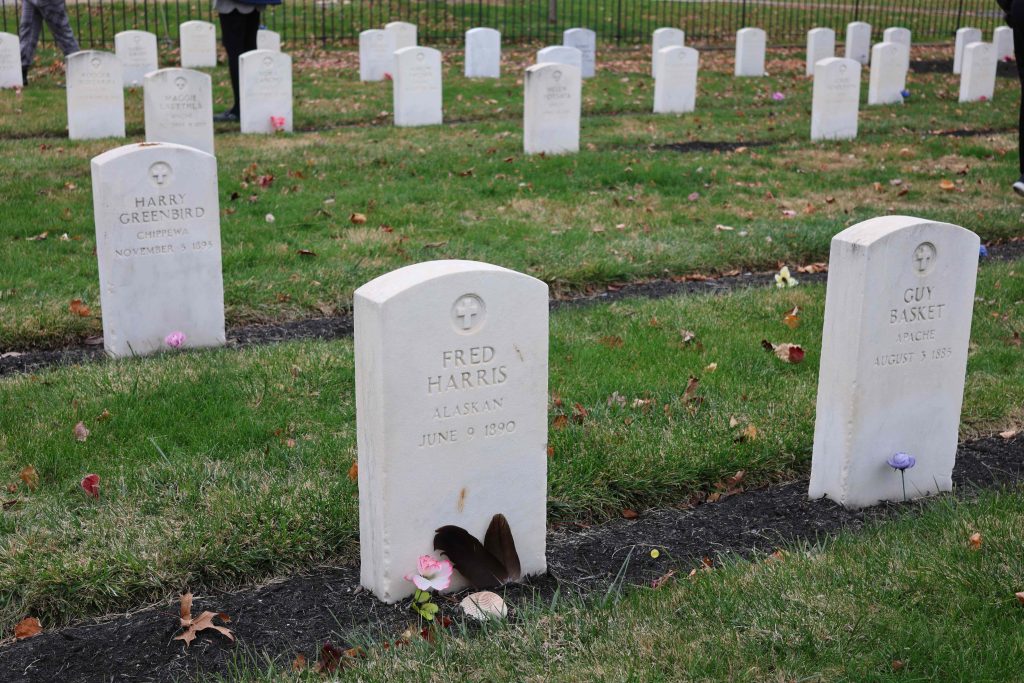
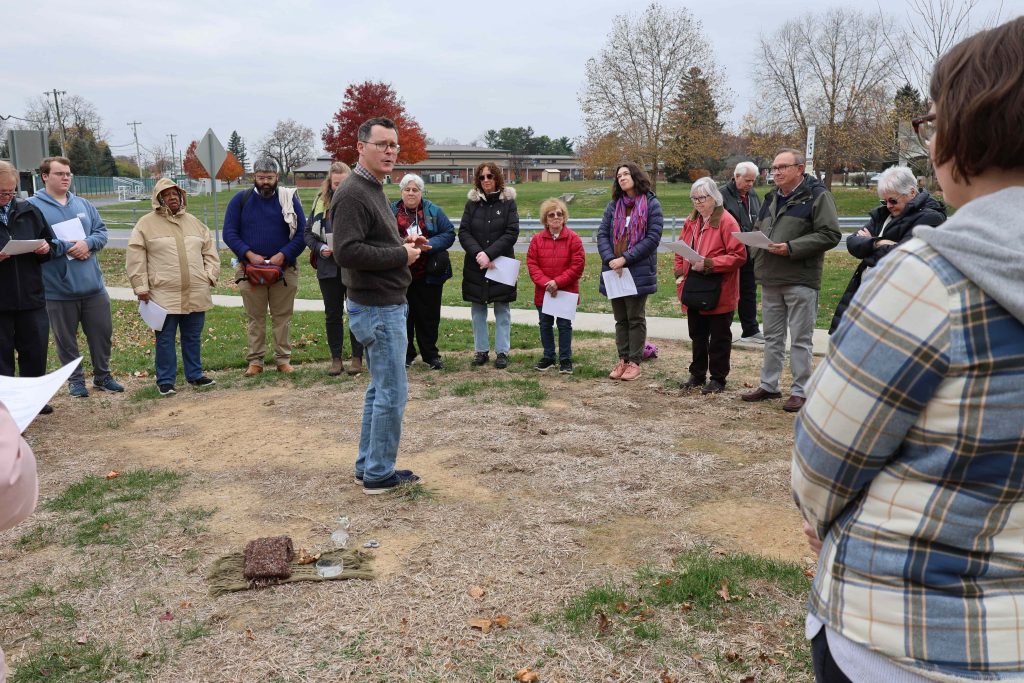

This time of truth telling is just the beginning of our journey to repair. As participants listened to this history, and learned from indigenous voices, they learned truths not often shared by those who ran the school and preserve its memory today. They learned about the hardship and abuse these children faced, how it affects their descendants today, and how settler-descended peoples continue to benefit from the harm done to indigenous people. We pray that we may be a part of repairing, in the name of Jesus, the harm done here in our diocese, in the name of Jesus.
______
This pilgrimage was an organizing effort by the Indigenous Justice Subcommittee of the Social Justice Transition Committee for the Diocese of the Susquehanna and the Coalition’s Episcopal Indigenous Justice Roundtable. Special thanks to the Rev. Celal Kamran, Multicultural Missioner in the Diocese of Central Pennsylvania, and Sharon England, St. Paul’s, Harrisburg, for their work on the Indigenous Justice Subcommittee and organizing this time of learning and reflection. In coordination with the Episcopal Church’s Boarding School Commission, the Roundtable is organizing pilgrimages across the church to help Episcopalians draw the connection between the church’s role in the history of residential boarding schools and the ongoing impact of the Doctrine of Discovery on Indigenous communities, including the environmental degradation of Indigenous lands.